
Jennifer Hoffmaster
Written by Jamie Davies
Jennifer Hoffmaster began showing the early signs of vision loss when she was around five years old. It started innocently, with her struggling to see in the dark or finding herself tripping over pavements. At the time she didn’t realise there was an issue.
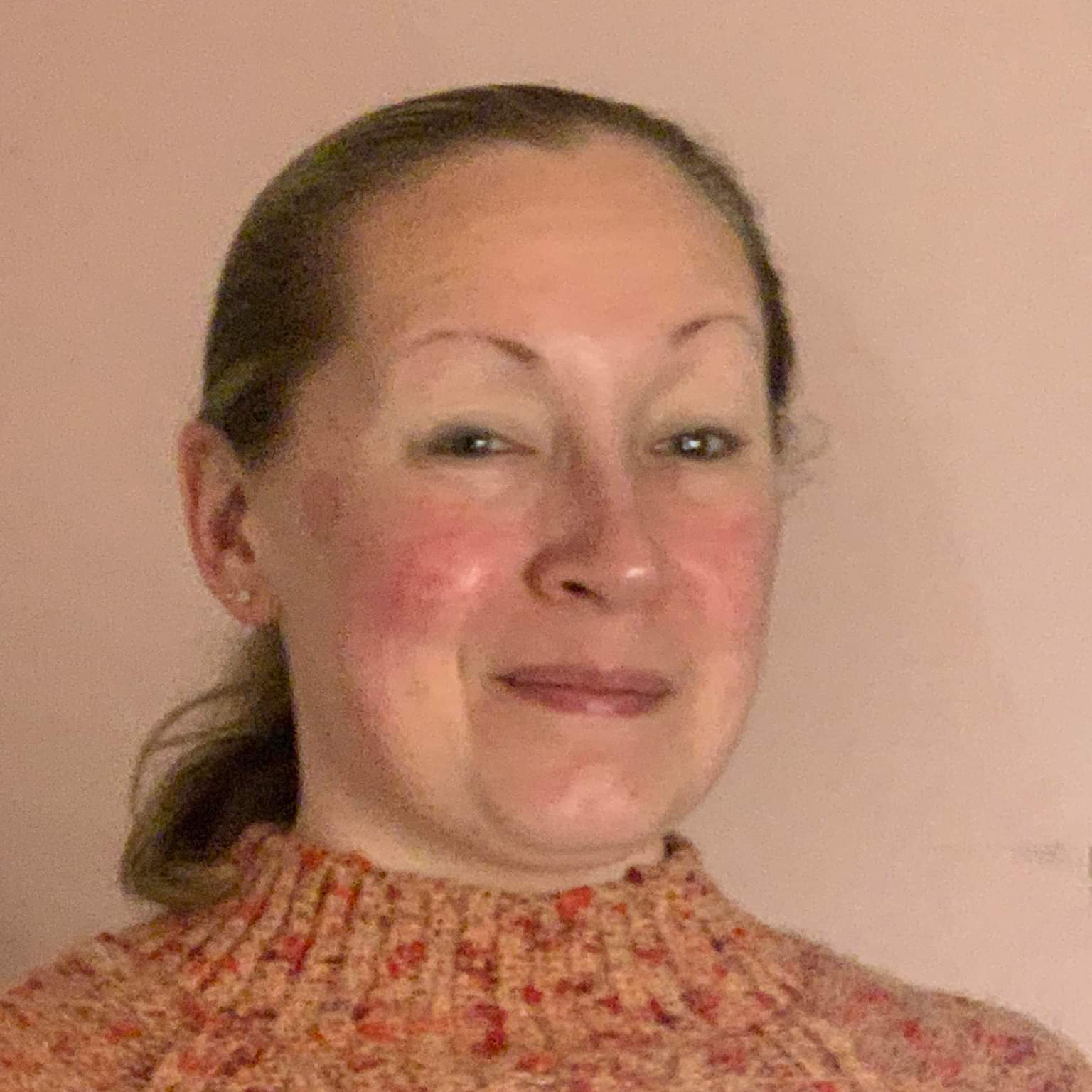
She explains: “maybe because I was so young I didn’t realise that wasn’t normal”. By the time she was in college, though, studying marketing and management, the condition had advanced to the point where it was impossible to ignore. Reading textbooks was growing increasingly difficult and vision-related accidents grew more frequent. Still, though, she found herself in a state of denial, pretending that there was no problem at all.
Only with time did Jennifer grow to accept her diagnosis of leber congenital amaurosis (LCA), an inherited retinal condition which affects roughly one in every 40,000 infants, including Jennifer’s mum, sister and aunt. It causes impaired vision which can deteriorate over time. She describes the current state of her condition: “I’m at the point where I see, sort of, blurred shapes. Sometimes colours, sometimes really just shades of light and dark…but eventually I know I won’t even see that”.
Despite the challenges of college, both with studying and navigating the chaos of student nightlife, Jennifer did graduate. As the years went on, however, her sight grew worse. Serious deterioration seemed to follow any period of severe illness, and pregnancy took a toll too (Jennifer has three kids).
For a long time Jennifer felt that her visual impairment was something she should hide: “I had a few jobs in college where I didn’t tell them I had sight loss…I was a retail manager for a clothing store…and i started sneaking in a magnifier to help [read receipts] and eventually I had to tell my boss and she was obviously upset”. Jennifer lost several jobs due to her impairment and eventually took to babysitting. Even then she was apprehensive about how her impairment would be received by other parents. “ I was always super afraid that they were gonna judge me and not trust me with their kid”. Fortunately, unlike her previous employers, not one of the parents raised any concern about Jennifer’s capabilities, and it was this faith which boosted Jennifer’s confidence and let her take ownership of her place in the world.
She began taking mobility lessons and using a white cane, something that she’d previously been too ashamed to do. It helped her navigate the world independently and communicate to passers by that she has a vision impairment. She explains, “…it wasn’t even just for me to feel my way around the world but also to just tell people ‘hey she’s blind, she can’t see you, so if you walk in front of her with a tray of food then she’s probably gonna walk into you and knock it out of your hand!’”. With that increased level of confidence also came a renewed energy to rejoin the workforce, and Jennifer soon took on an administration job in the construction industry, aided by the wealth of assistive technologies available.
Despite moving on from babysitting, Jennifer remains thankful for what it offered her, and she remembers the innocent curiosity of the kids fondly. Unlike adults, who are often too afraid or embarrassed to ask questions about her blindness, the kids were endlessly trying to learn more. Of course, Jennifer was happy to oblige, and they even played games incorporating her blindness: “I would have them give me verbal directions to get from the kitchen all the way to somebody’s bedroom, for example. And they would give me verbal directions, and it was always kind of fun and funny because I would always do literally what they would say, and it didn’t ever take me to the bedroom!”.
Jennifer credits her mum for instilling a can-do attitude in both herself and her sister. When they were growing up, the medical consensus was that vision impairments meant that someone was incapable of functioning in society. Their mum didn’t buy into that, teaching Jennifer’s sister (whose condition was more severe) how to recognise shapes and operate in the world. Today, Jennifer’s sister is a therapist for people with eating disorders with a master’s degree and kids of her own.
Coping with a degenerative condition like LCA hasn’t always been straightforward for Jennifer. She’s had to deal with people underestimating her, acting awkwardly around her and discriminating against her because of it. All dealt a huge blow to her confidence. In the end, all it took was a decent chance or two to prove her worth for her self-confidence to recover. From there, there was nothing that could stop her.
For someone who might also be facing sight loss at a young age, Jennifer has one piece of advice: sight loss isn’t the end of the world. You can still be successful in the world and keep up with your peers. Maybe you’ll do that in a different way to them, or maybe it’ll look a little different, but that’s no reason to ever let it stop you.


Blindsided
At 19, the world is yours. But sight loss doesn’t care about your age, and it can bring your life to a standstill. Based on a true story.
 14 Stories